
The Zama Nine Murders: Why the Court Rejected Claims of Consent
Nine people aged fifteen to twenty-six were murdered in Zama in 2017. The trial rejected the claim that they had consented to being killed.

Nine bodies were found in an apartment in Zama
On October 30, 2017, police searching for a missing woman discovered the remains of nine people in an apartment in Zama, Kanagawa Prefecture. The victims were eight women and one man, aged between 15 and 26. The investigation had begun with the disappearance of a 23-year-old woman from Hachioji, Tokyo. Her brother had filed a missing-person report and posted on social media asking for information. A woman who had previously been in contact with Takahiro Shiraishi came forward and cooperated with police. That information helped investigators locate the apartment. Shiraishi was arrested, and the investigation established that the nine killings had occurred over a period of about two months.
Shiraishi approached people through social-media posts
Between August and October 2017, Shiraishi used social-media accounts to contact people who had posted about suicide, loneliness or wanting to die. He presented himself as someone who could understand or help them and invited them to his apartment. The victims were young, ranging from 15 to 26. The case involved different circumstances for each person; the nine victims should not be reduced to one explanation or described as though they had all made the same decision. The male victim had been searching for a missing acquaintance when he came into contact with Shiraishi. The investigation and trial considered the circumstances of each victim's contact and death.
The central trial issue was whether the victims had consented to being killed
The defence argued that some victims had expressed a wish to die and had voluntarily gone to Shiraishi's apartment, and that the offences should therefore be treated as killings with consent rather than ordinary murder. The prosecution responded that a person's suicidal thoughts are not the same as consent to be killed by another person. The trial examined messages and conduct close to the time of death, including evidence that some victims had reconsidered their desire to die or had resisted. Shiraishi also gave evidence that did not support the defence's broad claim that all nine had clearly consented. The issue had to be assessed victim by victim.
The court rejected consent for all nine victims
On December 15, 2020, the Tachikawa Branch of Tokyo District Court found that none of the nine victims had consented to being killed. The court concluded that Shiraishi had exploited their psychological circumstances and brought them to his apartment to satisfy his own financial and sexual desires. The offences included robbery and sexual violence against the women, as well as robbery-murder involving the male victim. The judgment did not treat a social-media post expressing despair as permission for another person to take a life. It examined the messages and circumstances of each case and rejected the consent argument for all nine victims.
The court found full criminal responsibility
The defence also raised issues concerning Shiraishi's mental condition and whether he had the ability to understand and control his actions. Psychiatric evidence was examined, including testimony from experts. The court found that Shiraishi had full criminal responsibility at the time of the offences. His repeated contacts with victims, the planning of meetings, the sequence of the killings and his efforts to avoid detection showed that he could act in accordance with his purposes. The court considered the nature and number of the crimes, the victims' ages, the robbery and sexual offences, and the suffering of bereaved families when determining the sentence.
The District Court imposed death in December 2020
On December 15, 2020, the Tachikawa Branch of Tokyo District Court sentenced Shiraishi to death. The sentence followed the finding that he had murdered nine people and that the victims had not consented. Defence lawyers filed an appeal to the Tokyo High Court three days after the judgment. Shiraishi, however, withdrew the appeal himself on December 21, 2020. The withdrawal meant that the High Court did not issue a merits judgment reviewing the facts or sentence. The death sentence became final on January 5, 2021, after the appeal period expired.
Shiraishi was executed in June 2025
The Ministry of Justice announced that Shiraishi was executed at Tokyo Detention House on June 27, 2025. The execution took place about four years and five months after the death sentence became final. Because he withdrew his appeal, there was no High Court or Supreme Court merits ruling in the criminal case. The legal outcome rests on the December 2020 District Court judgment, which found him guilty of the nine killings and rejected the claim of consent, and the subsequent finality through appeal withdrawal. His execution ended the criminal process against him.
The victims' anonymity requests remain important to the record
Many bereaved families asked that the victims' names and photographs not be published. The Tokyo Bar Association publicly addressed the issue of identifying victims in December 2017. This translation therefore records the number of victims, their age range and the fact that eight were women and one was a man, but does not list their names. Anonymity does not diminish the fact that nine individual lives were taken. The case should also not be described as assisted suicide: the court found that the victims had not consented and that Shiraishi committed robbery and other offences as part of the killings. The distinction between a wish to die and consent to homicide is central to the judgment. The withdrawal was a procedural event, not a finding by an appellate court that it had reviewed and approved every aspect of the trial.
Original Japanese record: 座間9人殺害事件|SNSで接触した9人、承諾を否定した死刑判決と2025年の執行
Last updated:
Related articles
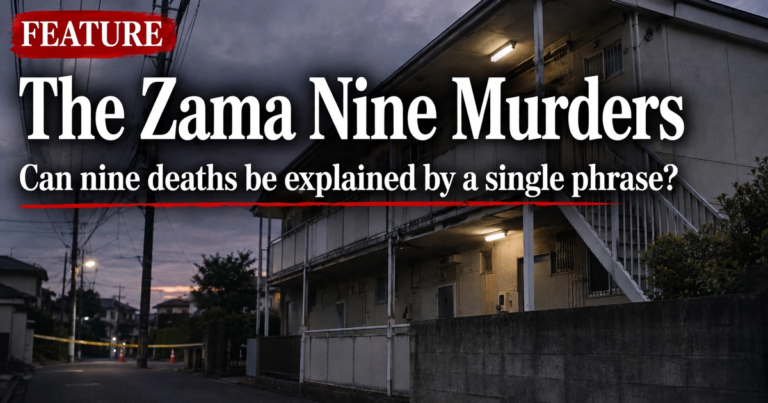
Same case · Feature
The Zama Nine Murders: Why Nine Lives Cannot Be Explained Away as a Single “Wish to Die” — Trial Evidence and the Ethics of Reporting
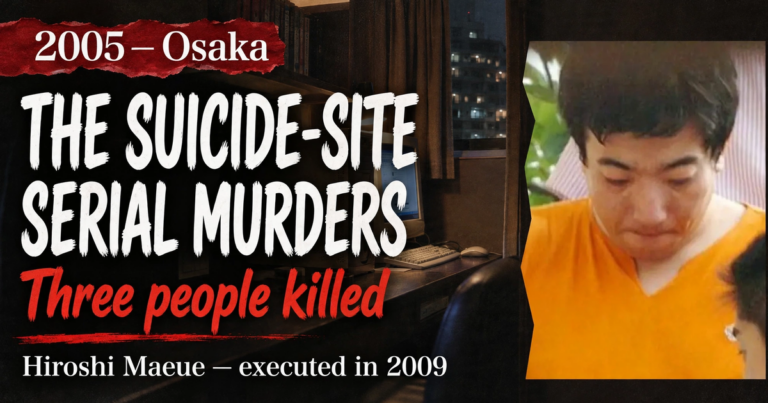
Case record
The Suicide-Website Serial Murders
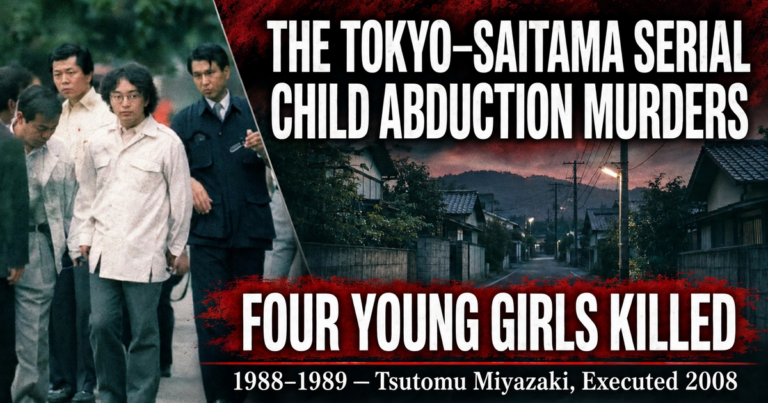
Case record
The Tokyo–Saitama Child Abduction and Murder Case: Four Victims and a Long Trial Over Criminal Responsibility
Case record